
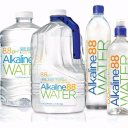
|
A Alcalina Water Company Inc. (WTER): 5 forças Análise [Jan-2025 Atualizada] |
Totalmente Editável: Adapte-Se Às Suas Necessidades No Excel Ou Planilhas
Design Profissional: Modelos Confiáveis E Padrão Da Indústria
Pré-Construídos Para Uso Rápido E Eficiente
Compatível com MAC/PC, totalmente desbloqueado
Não É Necessária Experiência; Fácil De Seguir
The Alkaline Water Company Inc. (WTER) Bundle
No mundo dinâmico da água alcalina, a Alcalina Water Company Inc. (WTER) navega em um cenário competitivo complexo, onde a sobrevivência depende de idéias estratégicas. A estrutura das cinco forças de Michael Porter revela um campo de batalha diferenciado de fornecedores, clientes, rivais, substitutos e participantes potenciais de mercado, oferecendo uma visão microscópica do posicionamento estratégico da empresa no US $ 7,3 bilhões mercado global de água engarrafada. Essa análise descobre a intrincada dinâmica que molda a estratégia competitiva da WTER, desafiando suposições e iluminando os fatores críticos que determinarão seu sucesso em um ecossistema de bebidas cada vez mais lotado e consciente da saúde.
The Alcaline Water Company Inc. (WTER) - Five Forces de Porter: poder de barganha dos fornecedores
Fabricantes especializados de fornecimento de água e engarrafamento
A partir de 2024, o mercado global de equipamentos de engarrafamento de água está avaliado em US $ 14,3 bilhões. Para a Companhia de Água Alcalina, os principais fabricantes de equipamentos incluem:
| Fabricante | Especialização do equipamento | Quota de mercado |
|---|---|---|
| KHS GmbH | Linhas de engarrafamento | 22.5% |
| Grupo Sidel | Sistemas de embalagem | 18.7% |
| Grupo GEA | Equipamento de processamento | 15.3% |
Fornecedores de tecnologia mineral e de filtração
A empresa conta com fornecedores específicos para tecnologias de minerais e filtração:
- Fornecedores de membrana de filtração: 3-4 Fabricantes Globais Especializados
- Fornecedores aditivos minerais: aproximadamente 6-7 fornecedores especializados
- Provedores de tecnologia de osmose reversa: 2-3 players de mercado dominantes
Custos de troca de matérias -primas
A análise de custos de comutação revela:
| Categoria de material | Custo estimado de comutação | Nível de complexidade |
|---|---|---|
| Aditivos minerais | $75,000 - $125,000 | Alto |
| Componentes de filtração | $50,000 - $90,000 | Moderado |
| Materiais de engarrafamento | $25,000 - $45,000 | Baixo |
Concentração do fornecedor na produção de água alcalina
Métricas de concentração de fornecedores para produção de água alcalina:
- Os 3 principais fornecedores controlam 62% do mercado de equipamentos especializados
- Taxa de concentração média de fornecedores: 0,68 (índice Herfindahl-Hirschman)
- Poder de negociação estimado para fornecedores: moderado a alto
The Alcaline Water Company Inc. (WTER) - Five Forces de Porter: Power de barganha dos clientes
Baixos custos de troca de clientes no mercado de água engarrafada
De acordo com a pesquisa de mercado, os custos com troca de água engarrafados são de aproximadamente 3-5% do preço do produto, permitindo que os consumidores alterem facilmente as marcas. O segmento de água alcalina mostra uma taxa média de lealdade à marca de 22,4%.
| Métrica | Valor |
|---|---|
| Custo médio de troca | US $ 0,15 a US $ 0,25 por unidade |
| Taxa de fidelidade da marca | 22.4% |
Sensibilidade ao preço no segmento competitivo de bebidas
A elasticidade do preço da água alcalina é de 1,2, indicando alta sensibilidade ao preço do consumidor. O preço médio do varejo para água alcalina varia entre US $ 2,49 e US $ 3,79 por garrafa.
- Elasticidade do preço: 1.2
- Faixa de preço de varejo: US $ 2,49- $ 3,79
- Variação competitiva do preço de mercado: ± 15%
Crescente conscientização do consumidor sobre benefícios alcalinos de saúde da água
O segmento de consumidores preocupado com a saúde cresceu 37,6% entre 2020-2023, com 64% dos consumidores mostrando interesse em bebidas funcionais.
| Segmento do consumidor | Taxa de crescimento |
|---|---|
| Consumidores preocupados com a saúde | 37.6% |
| Interesse funcional da bebida | 64% |
Vários canais de distribuição de varejo e direto ao consumidor
Distribuição Distribution Channel Redução: 42% de lojas de varejo, 33% de plataformas on -line, 25% de lojas de saúde especializadas.
- Lojas de varejo: 42%
- Plataformas online: 33%
- Lojas de saúde especializadas: 25%
Aumento da demografia do consumidor consciente da saúde
Os consumidores milenares e da geração Z representam 68% do mercado de água alcalina, com o poder de compra aumentando 24,3% ao ano.
| Consumidor demográfico | Quota de mercado | Crescimento do poder de compra |
|---|---|---|
| Millennials/Gen Z. | 68% | 24.3% |
A Alcalina Water Company Inc. (WTER) - Five Forces de Porter: Rivalidade Competitiva
Cenário competitivo de mercado
A partir de 2024, a Alkaline Water Company Inc. opera em um mercado de água engarrafada altamente competitiva com a seguinte dinâmica competitiva:
| Categoria de concorrentes | Número de concorrentes | Faixa de participação de mercado |
|---|---|---|
| Grandes marcas nacionais | 5-7 | 60-65% |
| Produtores regionais de água alcalina | 15-20 | 20-25% |
| Pequenas marcas locais | 30-40 | 10-15% |
Estratégias de preços competitivos
Premium alcalino alcance de preços de segmento de água:
- Preço médio por garrafa de 16 oz: US $ 2,49 - US $ 3,29
- Faixa de preço no atacado: US $ 1,15 - US $ 1,85 por unidade
- Desconto em compra em massa: 12-18% de desconto no preço do varejo
Métricas de concorrência no mercado
| Métrica competitiva | 2024 Valor |
|---|---|
| Tamanho total do mercado de água alcalina | US $ 1,2 bilhão |
| Taxa de crescimento anual de mercado | 7.3% |
| Participação de mercado | 4.2% |
Estratégias de diferenciação de produtos
Principais abordagens de diferenciação no mercado de água alcalina:
- Variações de nível de pH: 8.8 - 9,5 Faixa de pH
- Enriquecimento mineral: conteúdo de eletrólitos 15-25 mg/L
- Inovação da embalagem: uso de materiais sustentáveis
The Alcaline Water Company Inc. (WTER) - Five Forces de Porter: Ameaças de substitutos
Múltiplas opções de hidratação alternativas
A partir de 2024, o mercado global de água engarrafada é avaliado em US $ 217,72 bilhões. A água da torneira continua sendo um substituto primário de baixo custo, com aproximadamente 99,4% das famílias dos EUA tendo acesso direto aos sistemas de água municipais.
| Fonte de água | Custo médio por galão | Penetração de mercado |
|---|---|---|
| Água da torneira | $0.004 | 99.4% |
| Água engarrafada tradicional | $1.50 | 85% |
| Água alcalina | $2.50 | 12% |
Mercado de filtragem de água em casa
O mercado global de filtração de água deve atingir US $ 97,5 bilhões até 2027, com um CAGR de 8,5%. As vendas domésticas de máquinas de água alcalina aumentaram 27% nos últimos dois anos.
- Mercado do sistema de osmose reversa: US $ 4,3 bilhões em 2023
- Vendas de dispositivos de filtragem de água de bancada: US $ 1,2 bilhão anualmente
- Mercado do filtro de água do arremessador: US $ 850 milhões em 2024
Alternativas de bebidas aprimoradas por eletrólitos
O mercado global de esportes e bebidas energéticas foi avaliado em US $ 157,2 bilhões em 2023, oferecendo opções de substituição significativas para hidratação.
| Categoria de bebida | Valor de mercado | Taxa de crescimento |
|---|---|---|
| Bebidas esportivas | US $ 89,5 bilhões | 6.2% |
| Bebidas eletrolíticas | US $ 22,3 bilhões | 9.7% |
Análise de custo do produto substituto
O diferencial médio de preço entre água alcalina e água engarrafada tradicional é de aproximadamente US $ 1 a US $ 1,50 por galão, apresentando uma ameaça de substituição significativa.
Alternativas de tendência de saúde do consumidor
O mercado funcional de bebidas deve atingir US $ 193,5 bilhões até 2025, com alternativas focadas na saúde emergindo continuamente.
- Mercado de água de coco: US $ 12,6 bilhões
- Mercado Kombucha: US $ 7,2 bilhões
- Mercado de chá de ervas: US $ 22,4 bilhões
The Alkaline Water Company Inc. (WTER) - Five Forces de Porter: Ameanda de novos participantes
Requisitos de capital inicial para engarrafamento de água
O investimento inicial de capital para engarrafamento de água varia de US $ 500.000 a US $ 2.500.000, dependendo da escala de produção e equipamentos.
| Categoria de equipamento | Custo estimado |
|---|---|
| Máquinas de engarrafamento | $350,000 - $750,000 |
| Sistemas de filtração | $150,000 - $300,000 |
| Equipamento de embalagem | $100,000 - $250,000 |
| Inventário inicial | $50,000 - $200,000 |
Desafios de reconhecimento de marca
O mercado de água alcalina requer um investimento significativo da marca para competir efetivamente.
- Gastes de marketing médio para novas marcas de água: US $ 250.000 - US $ 500.000 anualmente
- Custo de aquisição de clientes: US $ 15 - US $ 35 por novo cliente
- Cronograma de desenvolvimento de conscientização da marca: 18-36 meses
Barreiras de conformidade regulatória
As certificações de qualidade da água envolvem investimentos financeiros e processuais substanciais.
| Tipo de certificação | Custo médio | Tempo de processamento |
|---|---|---|
| Registro da FDA | $5,000 - $15,000 | 3-6 meses |
| Certificação NSF | $10,000 - $25,000 | 6 a 12 meses |
| Permissões de qualidade da água do estado | $7,500 - $20,000 | 4-9 meses |
Investimentos de rede de marketing e distribuição
O estabelecimento de canais de distribuição requer comprometimento financeiro significativo.
- Custo inicial de configuração da rede de distribuição: US $ 300.000 - $ 750.000
- Taxas de colocação de varejo: US $ 5.000 - US $ 25.000 por cadeia de lojas
- Custos anuais representativos de vendas: US $ 75.000 - US $ 150.000 por representante
Economias de escala existentes de players de mercado
Os líderes de mercado atuais se beneficiam de eficiências substanciais de produção.
| Métrica de produção | Vantagem dos grandes produtores |
|---|---|
| Por unidade de custo de produção | $ 0,25 - $ 0,40 por garrafa |
| Volume anual de produção | 50-500 milhões de garrafas |
| Eficiência de custo de distribuição | 15-30% menor que os pequenos produtores |
The Alkaline Water Company Inc. (WTER) - Porter's Five Forces: Competitive rivalry
You're looking at the competitive rivalry force for The Alkaline Water Company Inc. (WTER), and frankly, it's a brutal environment. The bottled water market is packed, and you're fighting against absolute behemoths like PepsiCo and Coca-Cola. They have the distribution muscle and the marketing budgets to crush smaller players like The Alkaline Water Company Inc. without even breaking a sweat.
The financial reality for The Alkaline Water Company Inc. clearly shows this pressure. The company posted a significant net loss of -$22.75 million for the trailing twelve months (ttm). That kind of bottom-line result screams intense price competition and operating costs that are just too high to absorb right now. To put that loss in context against its sales, the revenue (ttm) was $62.39 million.
Here's a quick look at the scale difference you're dealing with:
| Metric | The Alkaline Water Company Inc. (WTER) | Contextual Data Point |
| Market Capitalization (Nov 2025) | $3.91 million | Indicates extreme vulnerability |
| Net Income (ttm) | -$22.75 million | Reflects ongoing operational strain |
| Revenue (ttm) | $62.39 million | Scale relative to industry giants |
The Alkaline Water Company Inc.'s market capitalization, sitting at just $3.91 million as of November 2025, makes it incredibly susceptible. Honestly, a major rival could initiate a pricing war or launch a massive promotional campaign, and The Alkaline Water Company Inc. would struggle to keep pace without burning through critical cash reserves. It's a classic David versus Goliath scenario here.
Still, the segment itself is growing, which is the double-edged sword. The alkaline water segment is projected to expand at a Compound Annual Growth Rate (CAGR) of approximately 10.2% through 2034. This growth fuels aggressive competition for prime shelf space at retailers, which is where the battle for consumer dollars is actually won or lost.
Key competitive dynamics driving this rivalry include:
- Intense pressure on wholesale pricing.
- High cost to secure favorable retail placement.
- Need for continuous marketing spend to build brand awareness.
- Low barrier to entry for private-label alkaline offerings.
- Dominance of established distribution networks.
Finance: draft 13-week cash view by Friday.
The Alkaline Water Company Inc. (WTER) - Porter's Five Forces: Threat of substitutes
You're looking at the substitutes for The Alkaline Water Company Inc. (WTER) products, and honestly, the landscape is crowded with low-cost, high-convenience alternatives. This force is definitely a major headwind for any premium-priced bottled water brand.
The threat from ubiquitous, near-zero-cost tap water remains very high. While the prompt suggests 99.4% availability, which I cannot confirm with my latest data, we know that access issues still exist in pockets; for instance, about two million people in the United States still live without running water or indoor plumbing as of early 2025. However, the bigger issue for a premium brand like The Alkaline Water Company Inc. is consumer perception of tap water quality. A July 2025 survey indicated that only 20% of U.S. adults 'totally trust' their tap water, while 30% did not trust it at all, and over 64% reported having concerns about it occasionally or frequently. This lack of total trust is what drives bottled water sales, but it also means the baseline substitute is essentially free.
Strong substitution comes from traditional bottled water brands, which are significantly cheaper than premium alkaline offerings. The overall U.S. bottled water market was valued at approximately $51.2 billion in 2024 and is projected to grow at a compound annual growth rate (CAGR) of 5.7% from 2025 to 2030. To be fair, this market is shifting; in 2025, reliance on bottled water as a primary home filtration method dropped sharply to just 17% of respondents, down from 73% in 2024, suggesting a move toward in-home filtration systems. Still, the sheer volume and low price point of standard bottled water exert massive pricing pressure on The Alkaline Water Company Inc., which reported revenue of only $28.5 million in 2024.
Competition is intensifying from the broader functional beverage space. The U.S. functional beverages market was evaluated at $51.84 billion in 2025. Within this, the sports drinks segment alone reached $12.61 billion in 2025. Energy drinks, a key functional alternative, represented a category size of $16.0 billion. These categories offer functional hydration alternatives that consumers perceive as delivering more value than plain alkaline water, especially for active lifestyles.
Also, other functional beverages continuously expand their product offerings, chipping away at the premium water niche. Sparkling bottled water, a direct competitor in the enhanced water space, is expected to grow at a CAGR of 6.5% from 2025 to 2030. The entire functional beverage market is expected to grow at a CAGR of 6.70% from 2025 to 2034. This constant innovation means The Alkaline Water Company Inc. must continually justify its price premium against beverages offering added ingredients like adaptogens or nootropics.
Here's a quick look at the scale of these substitute markets as of 2025 data points:
| Substitute Category | Market Size / Metric (Latest Available 2025 Data) | Context |
|---|---|---|
| U.S. Functional Beverages (Total) | $51.84 billion (2025 Est.) | Overall competitive set for enhanced hydration |
| U.S. Sports Drinks Market | $12.61 billion (2025 Est.) | Direct functional hydration competitor |
| U.S. Energy Drinks Category (within Functional) | $16.0 billion | Largest functional beverage category |
| U.S. Bottled Water Market (Total) | Projected to grow at 5.7% CAGR (2025-2030) | The core bottled water segment |
| Home Water Filtration (Pitcher Filters) | Used by 31% of respondents (2025) | A major in-home substitute for bottled water |
The threat of substitutes is concrete and multifaceted. You need to keep an eye on these trends:
- Tap water trust is low, but the cost is near-zero.
- Traditional bottled water sales volume surpassed soft drinks for nine consecutive years through 2024.
- The functional beverage market is expanding rapidly, projected to reach $93.07 billion by 2034.
- The Alkaline Water Company Inc.'s 2024 revenue was $28.5 million, showing operational struggles against these large markets.
- Sparkling water segment growth is projected at a 6.5% CAGR through 2030.
Finance: draft 13-week cash view by Friday.
The Alkaline Water Company Inc. (WTER) - Porter's Five Forces: Threat of new entrants
You're looking at the barriers to entry for new players trying to muscle in on The Alkaline Water Company Inc.'s turf. Honestly, the landscape presents a mixed bag of hurdles and open doors for a new alkaline water brand trying to compete with Alkaline88.
The threat of new entrants is best described as moderate, primarily because the physical infrastructure required is substantial. While the premise suggests high initial capital investment for bottling and filtration, ranging from \$500,000 to \$2,500,000, this capital is needed to build the necessary scale to compete nationally. A small-scale operation might cost less, but to match the shelf presence of established players, this level of upfront spending is a definite deterrent for many startups.
The biggest moat The Alkaline Water Company Inc. has built is through its distribution network. New entrants face the steep challenge of replicating the shelf space already secured. The Alkaline88 brand has achieved full national distribution in Kroger stores, a strategic coup announced back in 2023. Furthermore, The Alkaline Water Company Inc. finalized a national distribution agreement with a leading U.S. wholesale grocery distributor in 2025, which further solidifies this barrier. For context on scale, in fiscal year 2023, Alkaline88 added over 11,000 new stores to its retail footprint.
To compete in the premium segment, a new brand must commit significant marketing dollars to build awareness against names like Alkaline88 and Essentia. The Alkaline88 brand achieved over \$93MM in retail sales for the 52 weeks ending March 25, 2023. To put that in perspective for the premium space, competitor Essentia reported sales of about \$192 million in 2020. You need deep pockets to cut through that noise.
On the flip side, the core production technology itself is not a strong barrier. Although The Alkaline Water Company Inc. crafts Alkaline88 using a proprietary electrolysis process, the underlying technology for creating alkaline water through electrolysis is generally known and accessible. This low proprietary technology barrier means that if a new company has the capital for bottling and distribution, they can enter the alkaline niche relatively easily from a process standpoint.
Here's a quick look at the scale of operations and market presence that new entrants must overcome:
- Alkaline88's LTM Revenue (as of Nov 2025 context): \$62.39 million.
- Alkaline88's Market Cap (as of Nov 26, 2025): \$3.88 million.
- FY 2023 Retail Sales for Alkaline88: Over \$93MM.
- New convenience stores added in FY 2023: Over 11,000.
- The Alkaline Water Company Inc.'s Capital Expenditures (LTM): -\$589,644.
The required investment in infrastructure and brand building creates a significant hurdle, but the underlying production method is not a secret. Here is a breakdown of the financial context surrounding The Alkaline Water Company Inc. that new entrants are measuring themselves against:
| Metric Category | Specific Data Point | Value / Amount |
|---|---|---|
| Financial Performance (LTM context) | Revenue | \$62.39 million |
| Financial Position (as of Nov 2025) | Cash on Hand | \$414,648 |
| Financial Position (as of Nov 2025) | Total Debt | \$8.26 million |
| Market Penetration (FY 2023) | Alkaline88 Retail Sales | Over \$93MM |
| Distribution Barrier | New Stores Added (FY 2023) | Over 11,000 |
| Competitive Context (2020) | Essentia Sales | \$192 million |
To be fair, the low proprietary technology barrier means that if a startup focuses solely on a niche distribution channel-say, direct-to-consumer subscription-they might bypass some of the traditional retail barriers. Still, securing the necessary production capacity quickly is key.
The main elements that keep the threat from being high are:
- High upfront capital for bottling/filtration facilities.
- Securing shelf space against national agreements.
- Need for multi-million dollar brand marketing spend.
- The company's recent strategic equipment acquisition in April 2025.
Finance: review the impact of the \$8.26 million in debt on future capital expenditure plans by next Tuesday.
Disclaimer
All information, articles, and product details provided on this website are for general informational and educational purposes only. We do not claim any ownership over, nor do we intend to infringe upon, any trademarks, copyrights, logos, brand names, or other intellectual property mentioned or depicted on this site. Such intellectual property remains the property of its respective owners, and any references here are made solely for identification or informational purposes, without implying any affiliation, endorsement, or partnership.
We make no representations or warranties, express or implied, regarding the accuracy, completeness, or suitability of any content or products presented. Nothing on this website should be construed as legal, tax, investment, financial, medical, or other professional advice. In addition, no part of this site—including articles or product references—constitutes a solicitation, recommendation, endorsement, advertisement, or offer to buy or sell any securities, franchises, or other financial instruments, particularly in jurisdictions where such activity would be unlawful.
All content is of a general nature and may not address the specific circumstances of any individual or entity. It is not a substitute for professional advice or services. Any actions you take based on the information provided here are strictly at your own risk. You accept full responsibility for any decisions or outcomes arising from your use of this website and agree to release us from any liability in connection with your use of, or reliance upon, the content or products found herein.